
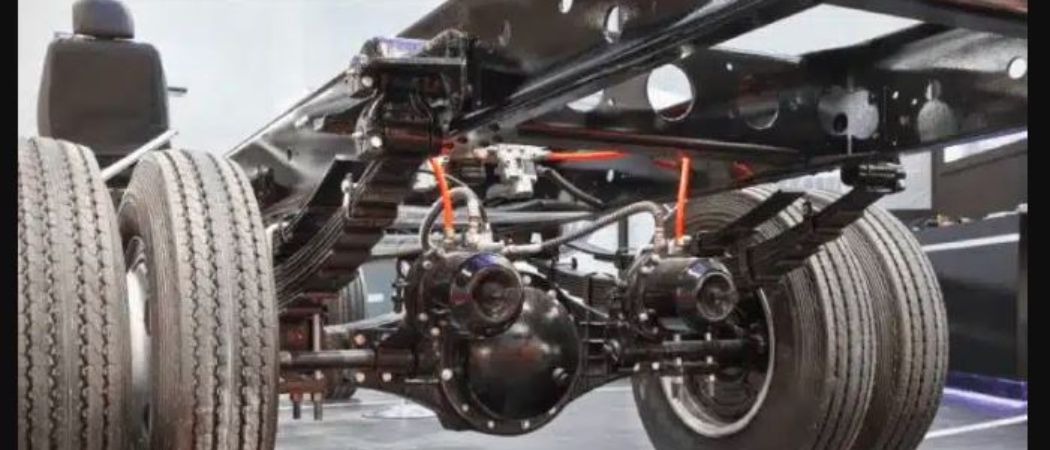
Road tankers transport materials under demanding conditions. Their structures must withstand loads, vibration, road movement, and repeated use. Poorly assessed designs may develop weaknesses that affect safety and durability during everyday road transport across varied operating conditions.
Finite Element Analysis, commonly called FEA, is an engineering method used to study how a structure responds to forces and other conditions. For tanker manufacturers and operators, this assessment provides useful insight into structural behaviour before problems arise in service.
1. Understand the Role of Finite Element Analysis
FEA uses a computer model to examine how a structure responds to loads. Engineers divide the model into smaller elements to estimate stress and deformation.
For tankers, analysis may consider the shell, supports, frames, brackets, joints, and other load-bearing components. Results can identify areas needing review or further testing. Engineers can compare different design options and examine how changes may affect performance. The method is especially useful when a component has a complex shape or carries loads in several directions. However, the model is only as useful as the information entered into it. Engineers must document assumptions and explain uncertainty when presenting conclusions.
2. Assess Tanker Structures Under Realistic Loads
A tanker experiences more than the static weight of its contents. Road conditions, braking, cornering, acceleration, fluid movement, and changing load distribution can influence structural demands. Road Tanker FEA Laverton can support engineering assessments that examine how tanker components respond to relevant loading scenarios and help identify areas of elevated stress or deformation.
Analysis quality depends on accurate geometry, material properties, assumptions, boundary conditions, and realistic load cases. Qualified professionals should interpret results and arrange further verification where necessary.
3. Identify Potential Weak Points Early
FEA helps investigate weaknesses during design. Stress may concentrate around openings, welds, mounting points, thickness changes, and component connections.
Engineers can use results to consider reinforcement, revised geometry, or alternative materials. Addressing concerns early may reduce redesign costs and service issues.
4. Support Safer and More Reliable Performance
Structural integrity is essential. Components must suit their intended loads and environment. Excessive stress or deformation may affect the tank, supports, or connected equipment.
FEA can help engineers understand how design choices influence structural response. However, simulation is not a guarantee that a tanker is safe in every situation. Inspection, maintenance, appropriate operating practices, and required testing remain important throughout the vehicle’s service life. Operators should also follow loading limits and manufacturer instructions. Regular checks can reveal corrosion, cracks, loose fittings, or damage that was not present during the original assessment. These practical measures complement design analysis rather than being replaced by it.
5. Consider Materials, Fabrication, and Design Details
Assessment requires more than a visual model. Material strength, thickness, welds, connections, corrosion allowance, and manufacturing tolerances influence performance.
Fabrication quality matters too. Reviewing drawings and manufacturing information alongside analysis results creates a fuller picture. Proposed changes should be checked against the overall structure. This is particularly important when replacing axles, changing tank capacity, adding equipment, or altering mounting arrangements. Even a seemingly small modification can change load paths and the forces carried by nearby components.
6. Connect Engineering Assessment With Compliance
Requirements depend on vehicle category, design, use, and applicable Australian regulations and standards. FEA may support an assessment, but does not establish compliance or replace required approvals, inspections, or tests.
Manufacturers should identify relevant requirements early and maintain clear records of design calculations, assumptions, material specifications, analysis results, and verification work. Good documentation makes engineering decisions easier to review and helps demonstrate how design considerations were addressed.
7. Make Informed Decisions With Clear Technical Reporting
A useful FEA report explains the model, loads, assumptions, results, limitations, and conclusions. Stress plots communicate areas for review, but colours alone do not prove compliance.
Clear reporting supports communication between designers, manufacturers, assessors, and operators. It also provides a reference when a tanker is modified or its operating requirements change. Engineering reviews should be repeated when changes could affect structural performance. Reports should be stored with revision details so later reviewers can identify which design and model were assessed. This creates traceability and reduces confusion when several versions of a tanker are being developed or maintained.
Conclusion
Road tanker structural assessment is an important part of responsible design and engineering. FEA can help identify areas of concern, compare design options, and support informed decisions when used with sound assumptions and appropriate verification. It should form part of a broader process that includes regulatory review, manufacturing quality, inspection, and maintenance. ModiCert supports engineering and vehicle compliance needs with technical assessment and guidance, helping businesses work toward well-documented designs and safer, more reliable tanker operations.