
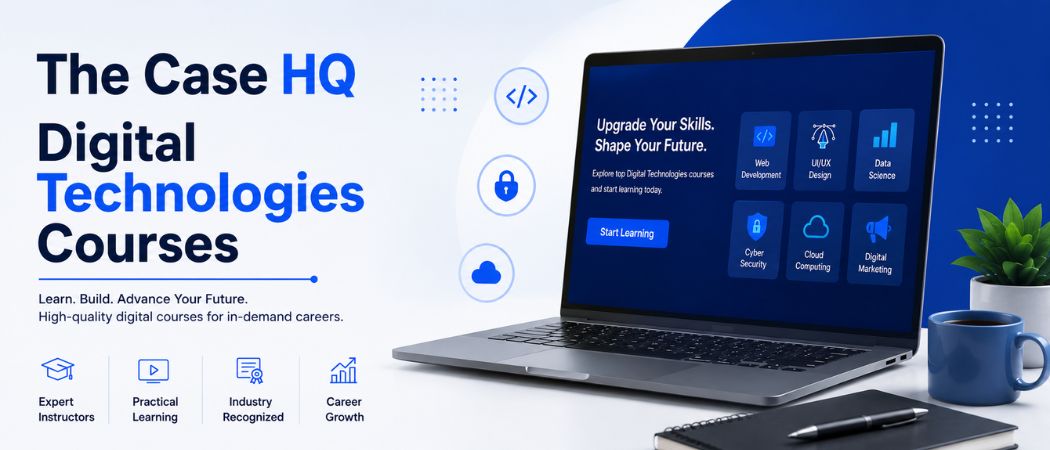
Technology is transforming how businesses run in all sectors of industry. No matter whether you deal with healthcare, finance, education, or any other business field, companies are increasingly turning to technology for improving efficiency and gaining competitive advantages through better customer experience. This makes IT professionals sought after in the market. Be it a fresh graduate or an experienced employee, or anyone looking to change careers – digital technology courses will come in handy.
Why Digital Skills Matter More Than Ever
The modern workplace relies heavily on digital tools, cloud platforms, artificial intelligence, cybersecurity, data analytics, and automation. Employers are looking for candidates who understand these technologies and can use them effectively to solve business challenges.
Learning digital technologies not only improves your technical knowledge but also helps you develop problem-solving, critical thinking, and collaboration skills. These abilities make you a more adaptable professional in an ever-changing job market.
Build In-Demand Skills for Today’s Industries
Enrolling in Digital Technologies Courses gives you access to practical knowledge that employers value. These courses often cover topics such as:
- Artificial Intelligence (AI)
- Cloud Computing
- Data Analytics
- Cybersecurity
- Digital Transformation
- Project Management
- Business Technology Solutions
By gaining expertise in these areas, you become a stronger candidate for a wide range of roles. Many employers prefer applicants who have completed recognized training because it demonstrates a commitment to continuous learning and professional development.
Stay Competitive in a Changing Job Market
Rapidly changing technology demands that, in order to take advantage of future opportunities, you need to keep up to date with your skills as well as having the ability to learn more about how to adapt to new processes. Learning about the latest developments in technology through studies also ensures that you carry on developing your skills so that you can continue to work as an expert in the field.
Employers value people who are committed to their professional development because it demonstrates their ability to adapt and apply different methods of working with new technologies more effectively. Continuous learning helps you feel greater certainty when dealing with new things, thus improving self-confidence.
Improve Workplace Performance
Digital education is not just about learning software or technical concepts. It also helps professionals understand how technology can improve business operations.
After completing relevant training, you may be able to:
- Streamline daily workflows
- Improve team collaboration
- Analyze business data more effectively
- Support digital transformation projects
- Make informed technology decisions
- Increase operational efficiency
These improvements benefit both employees and organizations, making trained professionals valuable assets to their teams.
Gain Practical Knowledge with Real-World Applications
A number of contemporary digital technology programs integrate the theoretical aspect together with the practical aspects of learning, such as practical assignments, case study analyses, and real-world projects, in order to give individuals the necessary experience that aids them in utilizing what they have learned by themselves in practice.
An experience in practical learning makes it possible for writers to come up with a good portfolio of works that speaks volumes about their skills. According to studies, many employers tend to prefer hiring those having proven experience in the area of the job they are applying for.
Enhance Long-Term Career Growth
Ongoing education is usual to be associated with professional success and career advancement. Those who are always improving their knowledge can qualify for higher positions and leadership roles.
E-learning allows an individual to be ready for changes within the industry. Rather than being taken by surprise because of new developments, well-educated individuals acquire skills that will allow them to put changes in practice.
Education can be regarded as an investment that can yield dividends in the form of higher professional stability and remuneration in the future.
Conclusion
The future of work is increasingly digital, making technical knowledge an essential part of professional success. Whether you want to improve your current performance, transition into a technology-focused role, or prepare for future leadership opportunities, Digital Technologies Courses provide the practical skills and industry knowledge needed to stay competitive.
Choosing quality education is an investment in your long-term career. The Case HQ offers professional learning opportunities designed to help individuals develop relevant digital expertise, build confidence, and prepare for the demands of today’s evolving workplace. By committing to continuous learning, you position yourself for greater career growth, increased opportunities, and lasting professional success.