
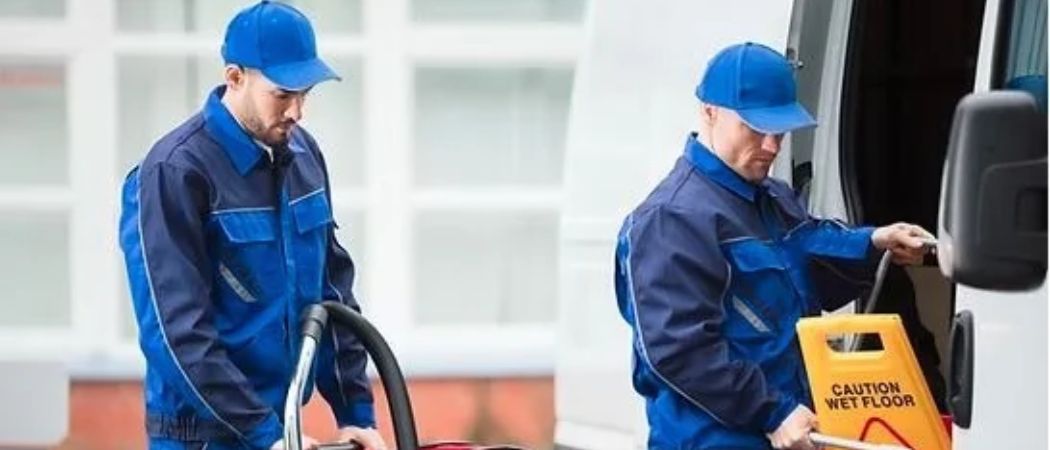
A clean workplace is about more than appearance. Employees, customers, and visitors expect business spaces to be hygienic and well maintained. Shared desks, door handles, restrooms, and meeting rooms can collect germs throughout the day. Without a consistent cleaning routine, these areas may contribute to the spread of illness.
A thoughtful disinfection plan helps businesses reduce these risks and create an environment where people feel comfortable. Professional support also helps organizations maintain standards while allowing employees to focus on their work.
1. Understand the Importance of Workplace Disinfection
Every workplace has areas that receive frequent contact. Reception counters, elevator buttons, keyboards, phones, break rooms, and washrooms are examples of high-touch spaces. When several people use the same surfaces, germs can transfer between them.
Routine cleaning removes visible dirt and debris, while disinfection uses suitable products to inactivate many germs on surfaces. Both steps matter. Surfaces should be cleaned first when required by product instructions. Businesses should also follow label directions for contact time, ventilation, and safe use.
2. Build a Consistent and Professional Disinfection Plan
A reliable hygiene routine should reflect how a building is used, how many people enter it, and which areas need extra attention. Commercial Disinfection Services can help businesses establish a planned approach to treating frequently touched surfaces, shared spaces, and other priority areas. A professional team can assess the premises, recommend a schedule, and use products according to their instructions.
The schedule may vary between an office, school, retail location, or industrial facility. High-traffic areas may need more frequent attention than spaces used occasionally. A clear checklist helps ensure that important tasks are completed consistently.
3. Focus on High-Touch and Shared Areas
Some surfaces are touched repeatedly throughout a normal workday. Door handles, light switches, handrails, desks, shared equipment, faucets, and appliance controls deserve particular attention. Break rooms and restrooms also need a planned approach because many employees use them.
Cleaning teams should follow a defined route so frequently touched points are not overlooked. Appropriate cloths and tools should be used safely to avoid spreading contamination. Businesses can support these efforts by keeping shared spaces organized and encouraging employees to report areas that need attention.
4. Support Employee Well-Being and Business Continuity
A well-maintained workplace can help employees feel more comfortable and supported. Visible attention to hygiene may also reassure customers and visitors that the business takes shared spaces seriously. Although disinfection cannot guarantee that illness will be prevented, it can form part of a broader workplace health strategy.
Planned cleaning tasks help managers maintain routines during busy periods. This supports smoother operations and reduces the chance that essential hygiene tasks will be forgotten. Employees can then spend more time concentrating on their responsibilities.
5. Choose Products and Methods Responsibly
Effective disinfection depends on using the right product for the surface and situation. Businesses should select products approved or registered for the intended use in their location and follow label directions. The required wet contact time is especially important: a surface may need to remain visibly wet for a stated period for the product to work as intended.Although disinfection cannot guarantee that illness will be prevented, it can form part of a broader workplace health strategy.
Staff should receive training on protective equipment, storage, ventilation, and safe handling. Products should never be mixed unless the manufacturer specifically directs it. Electronics, sensitive materials, and food-contact surfaces may require special procedures. A responsible plan balances hygiene goals with the safety of workers and visitors.
6. Maintain Standards Through Communication and Review
Good cleaning practices work best when responsibilities are clear. Managers can share schedules, identify priority areas, and provide a simple way for staff to report concerns. Service records and checklists help track completed tasks, while regular reviews allow the plan to change when building needs change.
Digital tools can make this process easier. Shared task lists, electronic checklists, and service updates help teams communicate and provide a record of routine work. Businesses should focus on useful information and consistent service rather than making unsupported claims about hygiene results.
Conclusion
A safer, healthier workplace requires more than occasional surface cleaning. It depends on consistent routines, attention to high-touch areas, responsible product use, trained staff, and regular review. Professional disinfection can support these efforts, but it should complement hand hygiene, ventilation, and other appropriate health measures. Wesley Janitorial Service can help businesses maintain cleaner, more welcoming environments through dependable janitorial and disinfection support, giving employees and visitors greater confidence in the spaces they share.